

Event Recap | Advancing Together, Reaching New Heights in Tricuspid Therapy: K-Clip® Interventional Tricuspid Valve Therapy Online Symposium

On November 18, 2025, the online symposium titled "Advancing Together, Reaching New Heights in Tricuspid Therapy" was successfully held, focusing on the latest interventional treatments for tricuspid regurgitation. The meeting was chaired by Professor Ma Liang from The First Affiliated Hospital, Zhejiang University School of Medicine, and moderated by Professor Li Weidong from the same hospital and Professor Ye Xiaofeng from Ruijin Hospital, Shanghai Jiao Tong University School of Medicine. We were honored to have Professor Xu Hongfei from The First Affiliated Hospital, Zhejiang University School of Medicine, Professor Li Youjin from the People's Hospital of Ningxia Hui Autonomous Region, Professor Shi Hao from Fuwai Hospital, Chinese Academy of Medical Sciences, and Professor Shi Sheng from Shanghai East Hospital as keynote speakers. The discussion panel included Professor Liu Jun from Shanghai East Hospital, Professor Liu Jidong from Renji Hospital, Shanghai Jiao Tong University School of Medicine, Professor Zhang Li from Zhongnan Hospital of Wuhan University, Professor Zhao Feng from Tianjin Chest Hospital, Professor Zhao Tianli from The Second Xiangya Hospital of Central South University, and Professor Zhou Jian from Shanghai Tenth People's Hospital.
The experts focused on clinical application topics related to the K-Clip® Transcatheter Tricuspid Valve Annuloplasty System. Through online interactions, they shared experiences and lessons learned, providing valuable insights for future clinical practice.
Opening Remarks
Professor Ma Liang
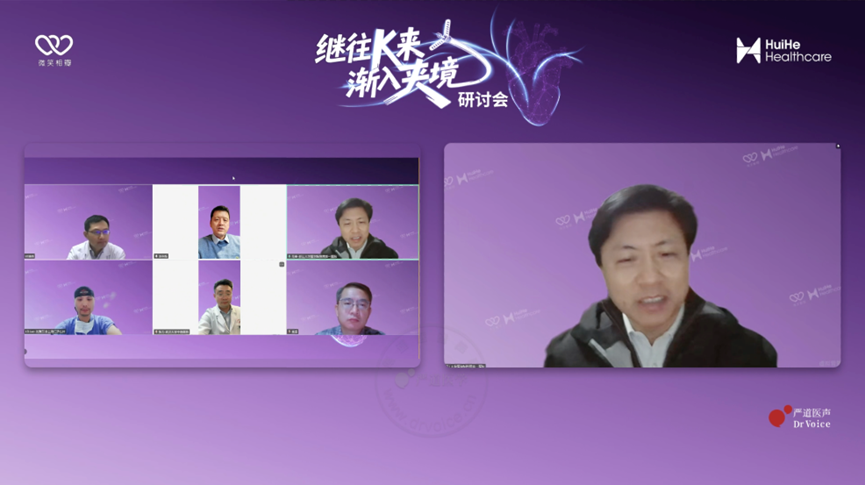
In the past, there were few products available for transcatheter tricuspid valve repair, and their effectiveness was limited. Today, with the market launch of the K-Clip® system, its widespread application in numerous hospitals has brought new opportunities to this field. The First Affiliated Hospital, Zhejiang University School of Medicine, has been an early adopter in the field of transcatheter tricuspid valve intervention, performing a high volume of procedures with excellent outcomes. Notably, the hospital has accumulated extensive experience in the application of the K-Clip® system. Many patients who were previously considered high-risk for surgery (such as those with atrial functional tricuspid regurgitation or post-left heart valve surgery) have achieved favorable results through this procedure.
This symposium brings together moderators from the middle generation, young speakers, and an early-to-mid-career discussion panel, reflecting the trend that interventional techniques are increasingly driven by young professionals. It is our hope that through this exchange, every participant will gain valuable insights and collectively contribute to advancing the field of transcatheter tricuspid valve intervention.
Surgical Recording
Transcatheter Tricuspid Annuloplasty
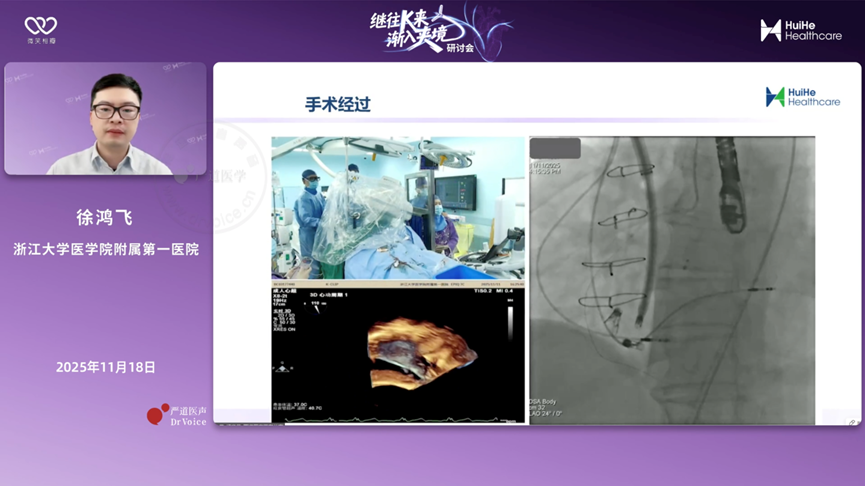
The procedure was performed by the cardiac surgery team at The First Affiliated Hospital, Zhejiang University School of Medicine, with Professor Xu Hongfei providing a detailed commentary throughout the operation. The patient was a 68-year-old male admitted due to recurrent heart failure and peripheral edema. He was diagnosed with severe tricuspid regurgitation (grade 5+), moderate mitral regurgitation, mild pulmonary regurgitation, and had a history of tetralogy of Fallot repair and right ventricular pacemaker implantation. After consulting multiple hospitals with no successful outcome, he was referred for this procedure.
Preoperative echocardiography and CT evaluation revealed a tricuspid annulus circumference of 16.2 cm and an area of 20.9 cm². The coronary arteries were deemed relatively safe, with minimal impact anticipated from clamping in the target zone. The procedure was considered feasible, although the presence of the pacemaker lead posed a potential challenge to device implantation.
Following right coronary artery protection, the procedure was performed using a large sheath under the guidance of ultrasound and DSA. A 14T K-Clip® was implanted at the junction of the posterior and septal leaflets of the tricuspid valve. Due to factors such as the pacemaker lead and cardiac rotation, the process was somewhat challenging. Guided by TEE, the anchor screw was advanced into the appropriate hinge region, and after clamping, satisfactory results were achieved, with reduced annular area and circumference and significant improvement in regurgitation. Subsequently, a second 14T K-Clip® was implanted at the junction of the anterior and posterior leaflets. The regurgitation severity decreased from grade 5+ preoperatively to grade 2+, with notable improvement in leaflet coaptation. The overall outcome met expectations, and the procedure was successfully concluded.
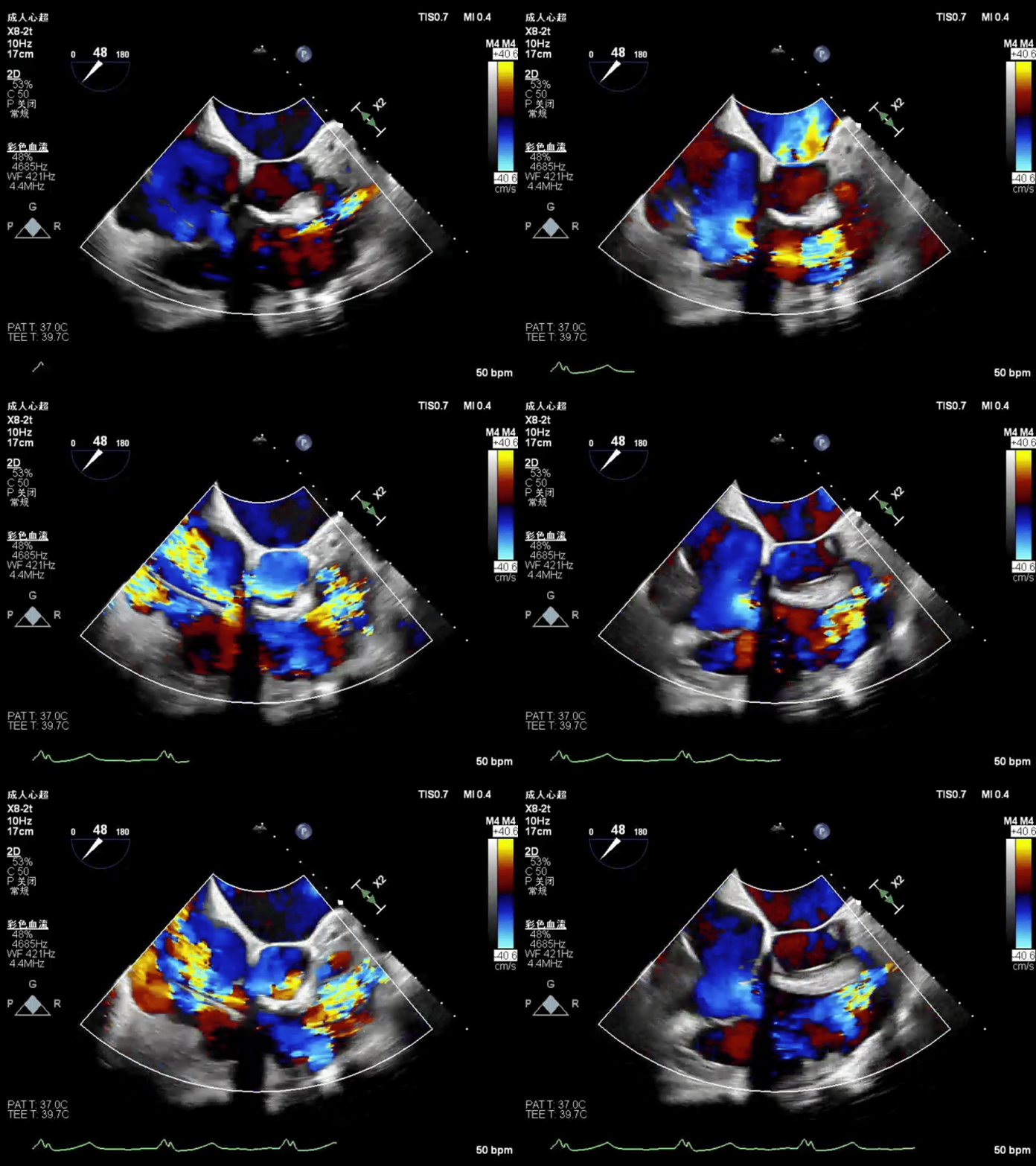
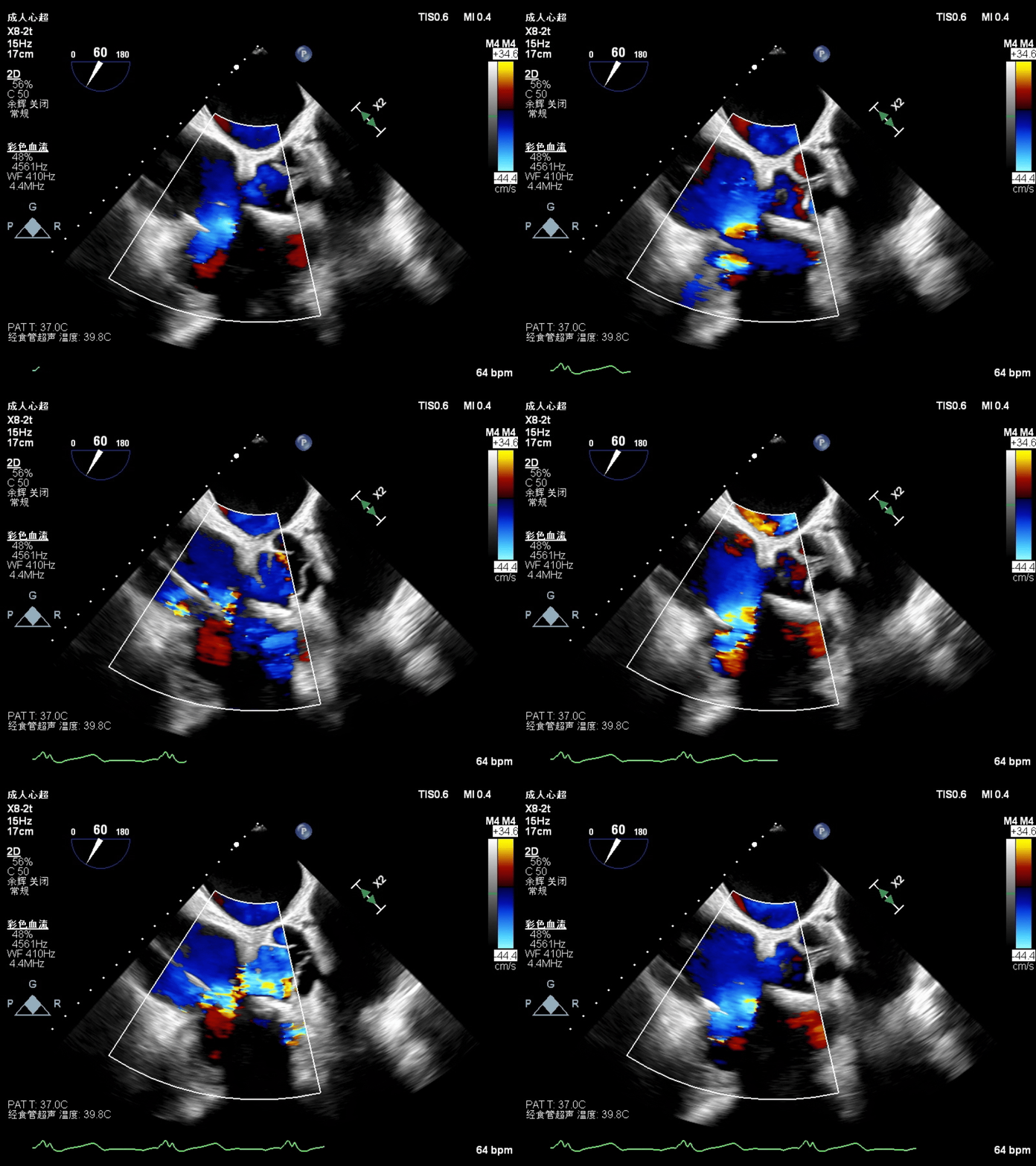
Preoperative TR: 5+ Postoperative TR: 2+
Based on current experience with pacemaker lead-related tricuspid regurgitation cases, when the device is handled appropriately, the procedure is not significantly affected by the lead, and patients in this category can achieve favorable outcomes with K-Clip® treatment, leading to improved quality of life.
Case Study (I)
Transcatheter Tricuspid Valve Annuloplasty
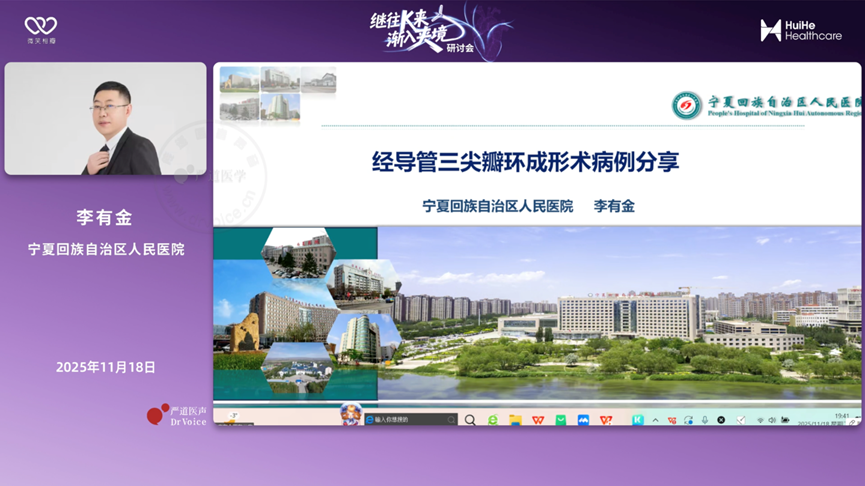
Professor Li Youjin from the People's Hospital of Ningxia Hui Autonomous Region presented a case of tricuspid regurgitation following mechanical mitral valve replacement. The patient was a 77-year-old female admitted with symptoms of chest tightness, shortness of breath, dizziness, peripheral edema, and weight loss. Echocardiography revealed severe tricuspid regurgitation. During the procedure, guided by transesophageal echocardiography, one 12T and one 14T K-Clip® were implanted at the posterior annulus and the junction of the anterior and posterior annulus, respectively. Immediate post-procedure results showed a reduction in regurgitation from baseline severe (5+) to moderate (2+). Follow-up indicated favorable outcomes, with mild to moderate tricuspid regurgitation, resolution of lower limb edema, improved sleep quality, and a weight gain of 5 kg.
Case Study (II)
Transcatheter Tricuspid Valve Annuloplasty
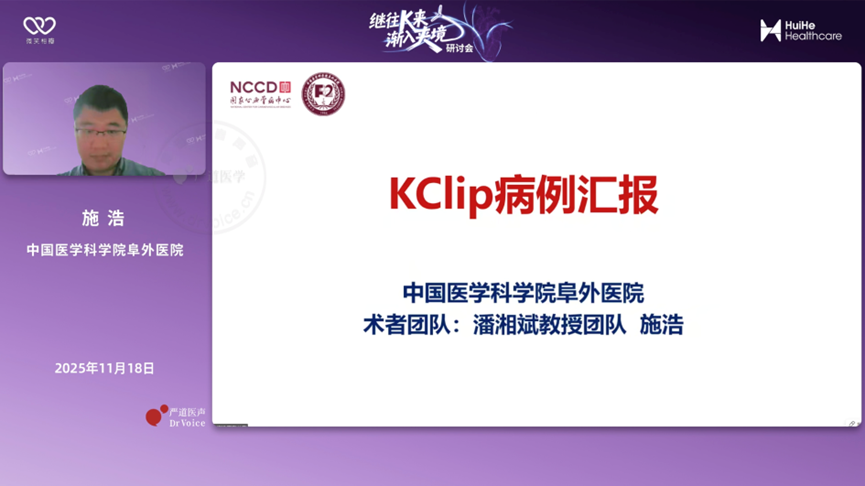
Professor Shi Hao presented a case completed by Professor Pan Xiangbin's team at Fuwai Hospital, Chinese Academy of Medical Sciences. The patient was a 62-year-old female who had undergone mechanical mitral valve replacement 19 years earlier and presented with lower limb edema. She was diagnosed with severe tricuspid regurgitation (5+) and atrial fibrillation. During the procedure, guided by transesophageal echocardiography, two 14T K-Clip® devices were implanted—one at the posterior annulus and one at the junction of the anterior and posterior annulus. The implantation strategy for the second clip was adjusted based on the origin and location of the regurgitation. Immediate post-procedure results showed a reduction in regurgitation from baseline severe (5+) to mild (1+). For regurgitation caused by annular dilation, annuloplasty can achieve favorable outcomes.
Case Study (III)
Transcatheter Tricuspid Valve Annuloplasty

Professor Shi Sheng from Shanghai East Hospital presented a case of tricuspid regurgitation with extremely high surgical risk. The patient was a 77-year-old female with massive tricuspid regurgitation (6+) accompanied by symptoms of right heart failure (RHF) that did not improve with optimal medical therapy. During the procedure, guided by transesophageal echocardiography, one 12T K-Clip® was implanted at the posterior annulus and one 14T K-Clip® at the junction of the anterior and posterior annulus. Immediate post-procedure results showed a reduction in regurgitation to 2+, annular area was reduced by 45%, and leaflet coaptation improved. In addition to quantitative echocardiographic assessment, surgical outcomes should be evaluated in conjunction with the patient's clinical symptoms. A key advantage of the K-Clip® system is that it does not preclude future interventions.
Closing Remarks
Professor Li Weidong
Through surgical video presentations, case sharing and discussions at the seminar, participants deepened their understanding of tricuspid regurgitation, including its pathophysiology, surgical evaluation, ultrasound guidance and other aspects.
TTVI may achieve more intuitive outcomes but requires stricter patient selection. T-TEER has high demands on leaflet coaptation. Tricuspid annuloplasty is a flexible approach with broad indications, effective for regurgitation caused by various etiologies.
We hope to have more opportunities for further exchanges and learning in the future, promote the development of interventional tricuspid surgery in China, and provide better treatment options for patients.
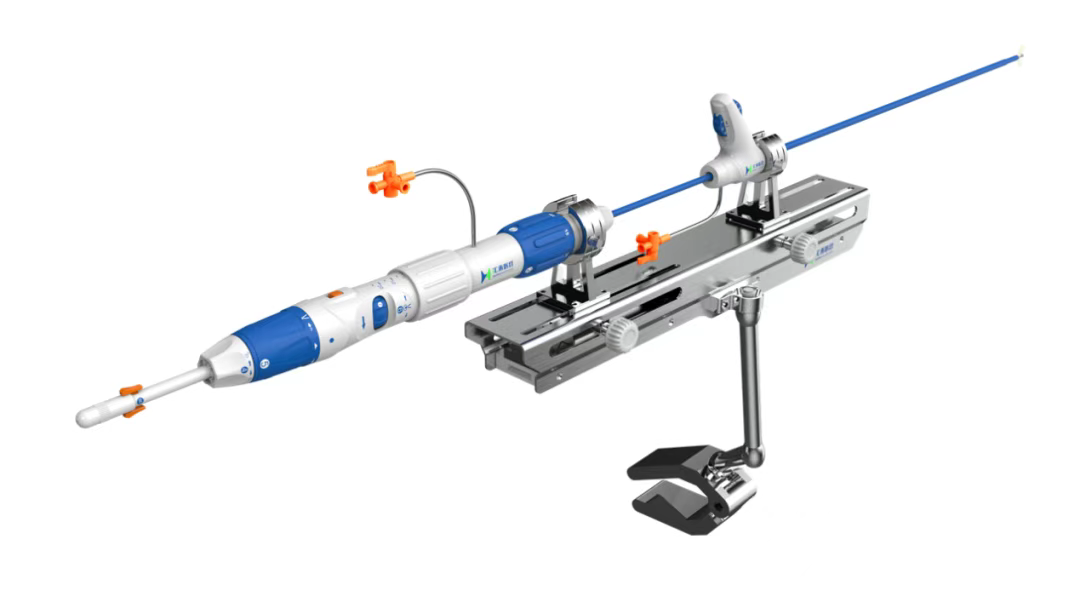
K-Clip® Transcatheter Tricuspid Valve Annuloplasty System:
1. Transvascular puncture approach, minimally invasive, with an 18Fr outer sheath diameter.
2. Simple operation, all steps performed on the atrial side, short learning curve.
3. All steps reversible before deployment, ensuring controlled procedural outcomes.
4. Physiological annuloplasty technique, preserving native leaflets without damage.