

Breakthrough in Tricuspid Valve Interventional Therapy | Department of Cardiology, Fujian Medical University Union Hospital Successfully Performed K‑Clip® Transcatheter Tricuspid Valve Annuloplasty
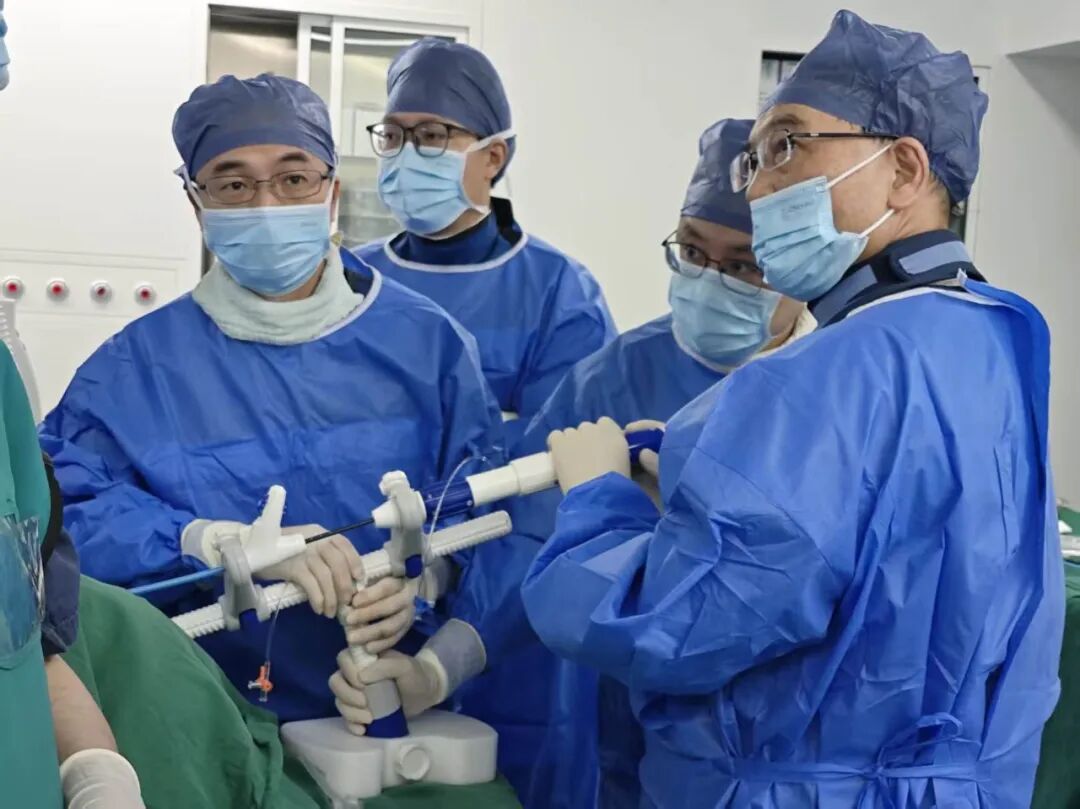
Recently, the cardiology team of Union Hospital Affiliated to Fujian Medical University / Fujian Provincial Heart Medical Center — led by Department Director Chen Zhaoyang, Chief Expert Chen Lianglong, Head of Structural Heart Disease Specialty Fang Jun, and cardiac ultrasound specialist Sun Xudong — successfully performed K-Clip® transcatheter tricuspid annuloplasty for a patient with severe tricuspid regurgitation. Postoperatively, the patient’s regurgitation was significantly reduced and symptoms were markedly relieved, marking an important milestone for the hospital in the field of interventional treatment of structural heart disease.
Case Review | Four Years of Exertional Dyspnea Caused by Valvular Dysfunction
Over four years ago, the patient was diagnosed with arrhythmia and atrial fibrillation, and developed exertional dyspnea without chest tightness or chest pain. The symptoms were recurrent and relieved with rest. Nine months ago, the dyspnea worsened significantly, with a notable decline in exercise tolerance. Cardiac ultrasound revealed severe tricuspid regurgitation. The patient was admitted to the hospital for further diagnosis and treatment.
Past Medical History Adds Clinical Challenges
-
Underwent radiofrequency ablation for atrial fibrillation over 1 year ago
-
Has a history of hypertension for over 1 year
-
Underwent cardiac surgery for ruptured aortic aneurysm 20 years ago
Given the patient’s prior cardiac surgery history, repeat open-heart surgery for tricuspid valve repair or replacement would carry extremely high risk. After thorough evaluation of this complex clinical scenario, the cardiology team turned to a novel minimally invasive interventional approach.
Multidisciplinary Assessment | Precise Alignment of Anatomy and Surgical Strategy
After admission, the team completed comprehensive cardiac imaging assessments to fully characterize the mechanism of tricuspid regurgitation and annular anatomical features.
CT Angiography Analysis
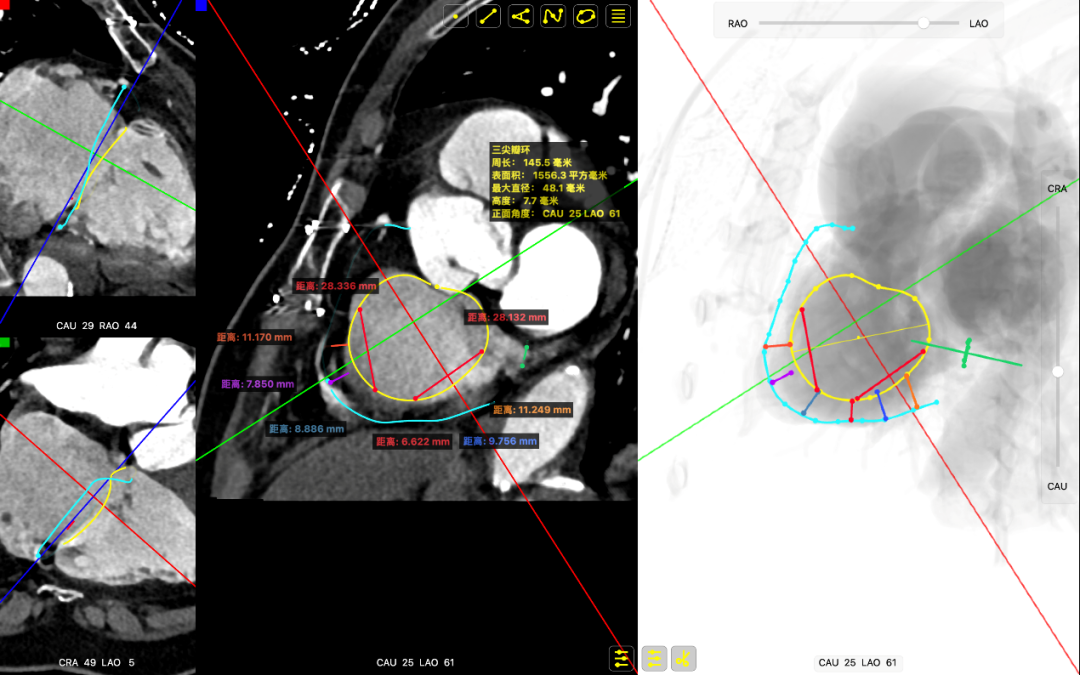
Systolic tricuspid annulus circumference: 145 mm; area: 1556 mm²
Risk assessment: The right coronary artery runs predominantly along the atrial side, with a distance greater than 3 mm from the annulus throughout its course, indicating low coronary risk. The patient is a suitable candidate for K-Clip® annuloplasty.
Surgical strategy: One 14T K-Clip® device at the posteroseptal commissure, and one 14T K-Clip® device at the anteroposterior commissure.
Cardiac Ultrasound Findings
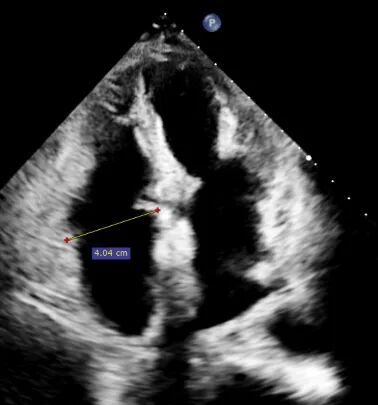
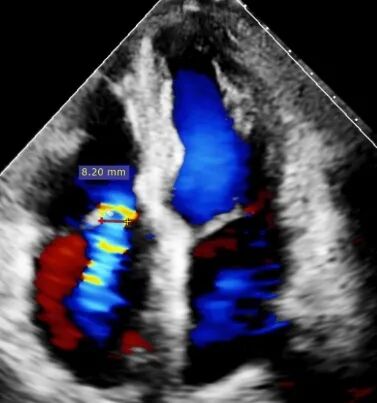
Severe tricuspid regurgitation (grade 4+, mean vena contracta width: 8.2 mm), with regurgitant orifices located at the anteroseptal and central regions. No obvious tethering or gaps observed in the valve leaflets. Mild dilation of the tricuspid annulus (mean annulus diameter: 40 mm). Peak systolic pulmonary artery pressure: 28 mmHg. The patient is eligible for K-Clip® annular reduction.
Based on comprehensive imaging findings, the patient presented with severe atrial functional tricuspid regurgitation secondary to annular dilation and poor leaflet coaptation, and was classified as a high-risk surgical candidate due to prior cardiac surgery. After team discussion and multidisciplinary consultation with anesthesiology and ultrasound departments, the team decided to perform off-pump tricuspid annular reduction using the domestically developed innovative K-Clip® transcatheter tricuspid annuloplasty system.
Surgical Highlights | Precise Clipping with K-Clip to Reshape the Tricuspid Annulus
The procedure was performed in the catheterization laboratory under general anesthesia, with vascular access established via jugular vein puncture.
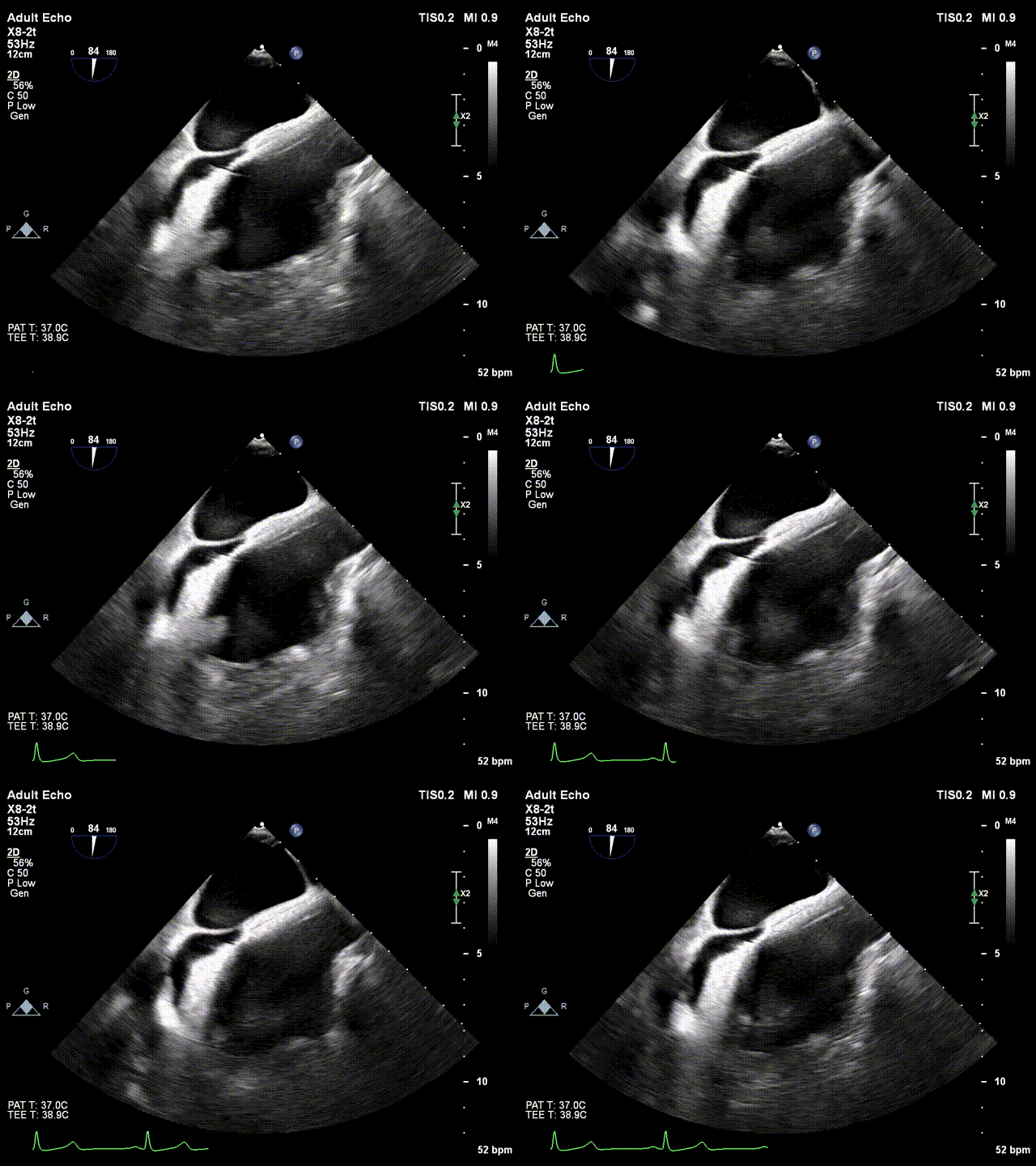
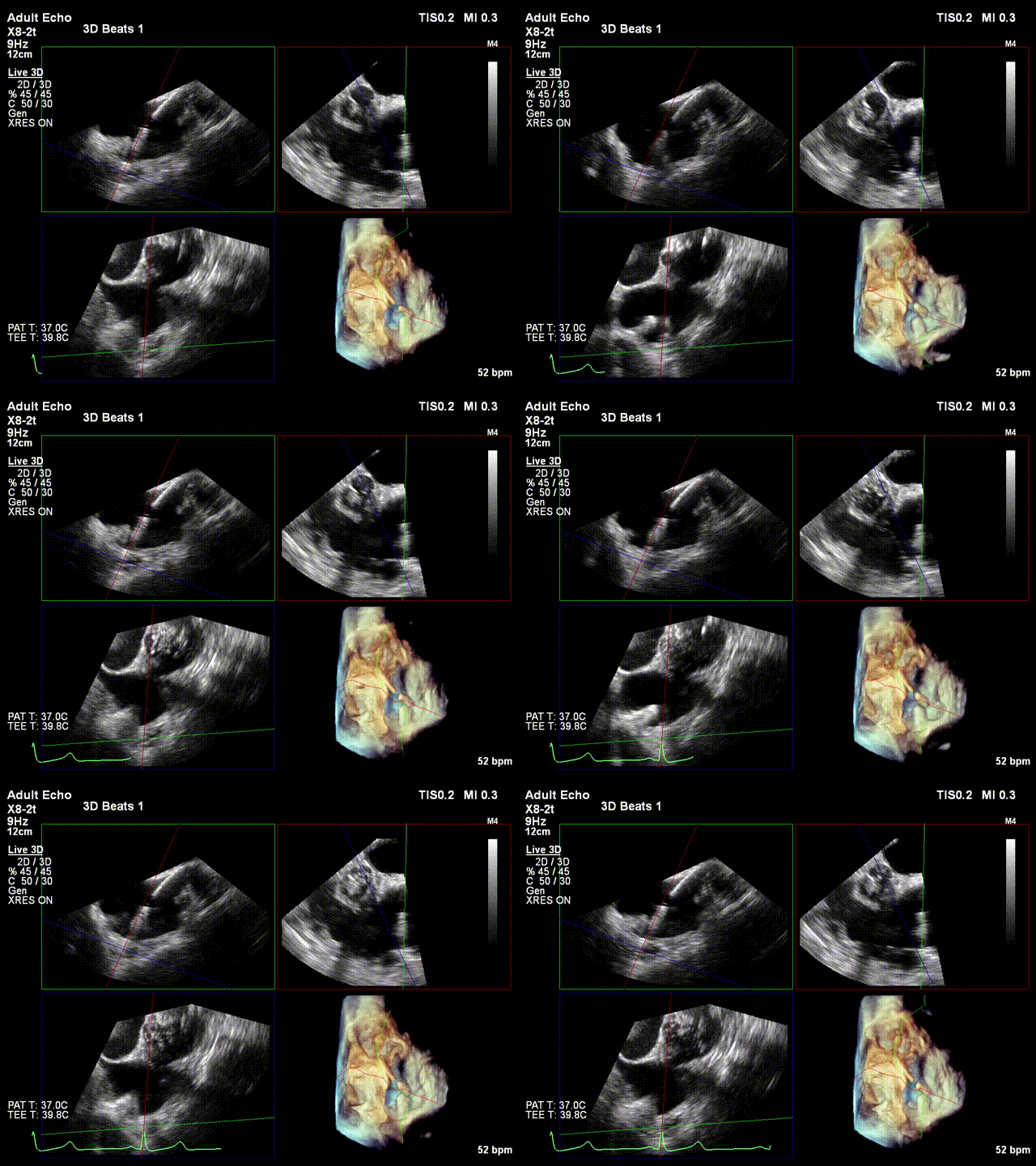
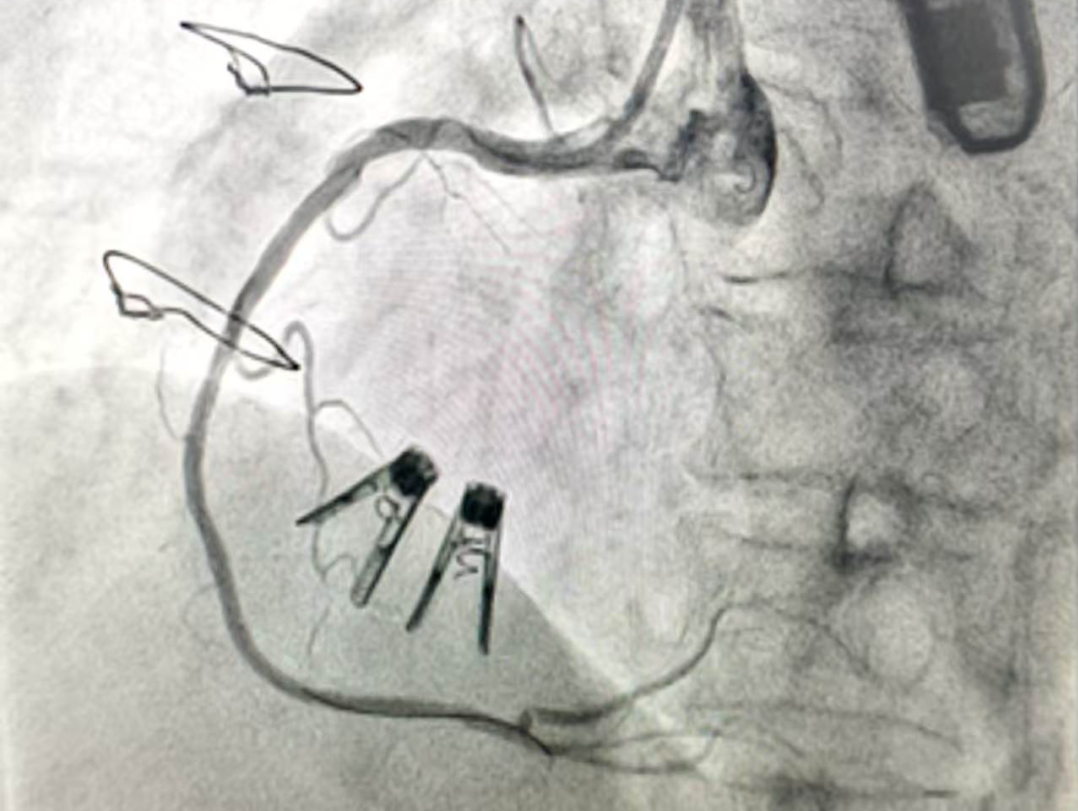
Under dual guidance of transesophageal echocardiography (TEE) and fluoroscopy, Professor Chen Lianglong and Professor Fang Jun advanced the K-Clip delivery system through the superior vena cava into the right atrium, and precisely positioned it at the target sites of the tricuspid annulus. By clipping and plicating portions of annular tissue, the annular circumference was effectively reduced, improving leaflet coaptation and significantly decreasing tricuspid regurgitation.
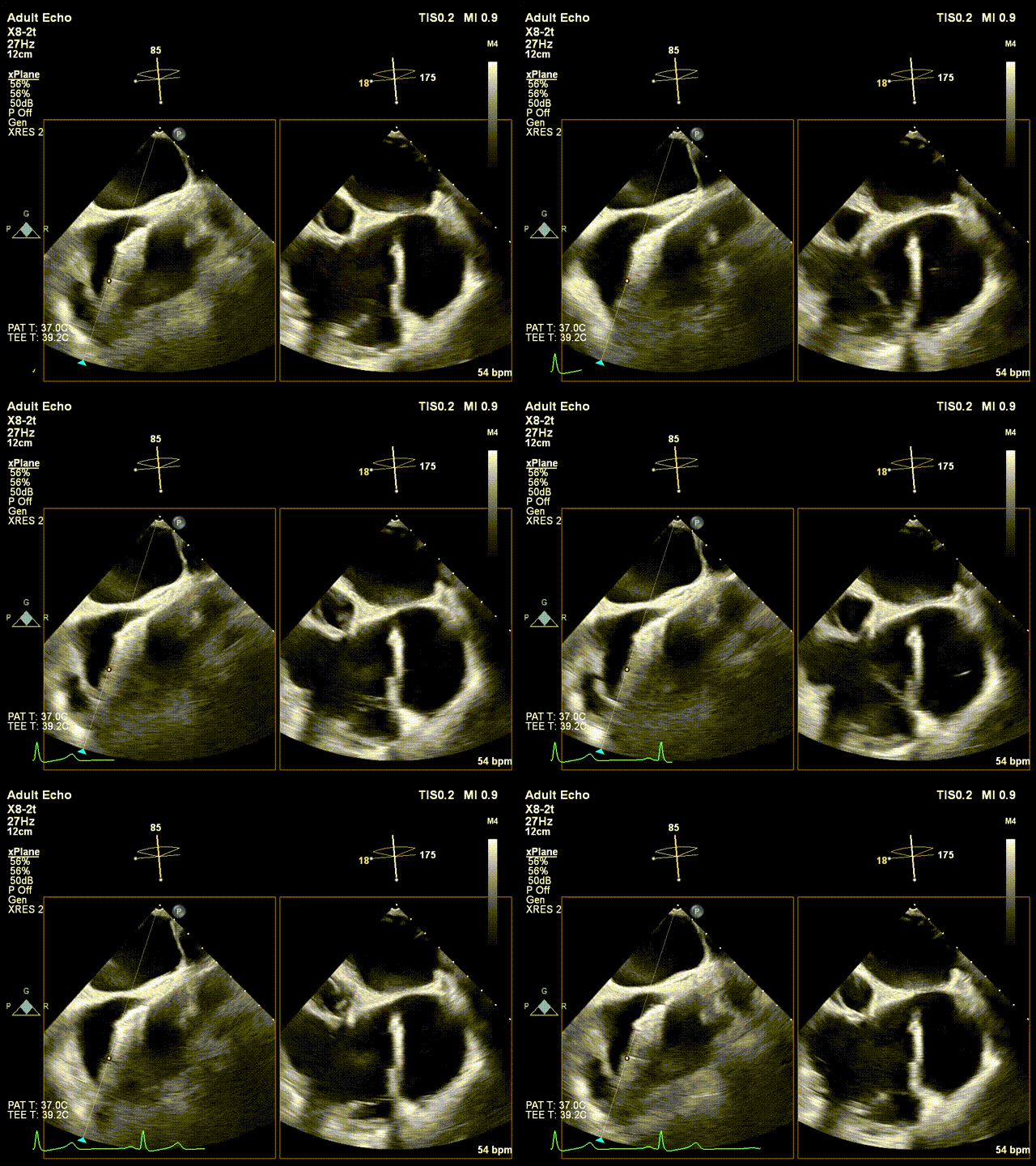
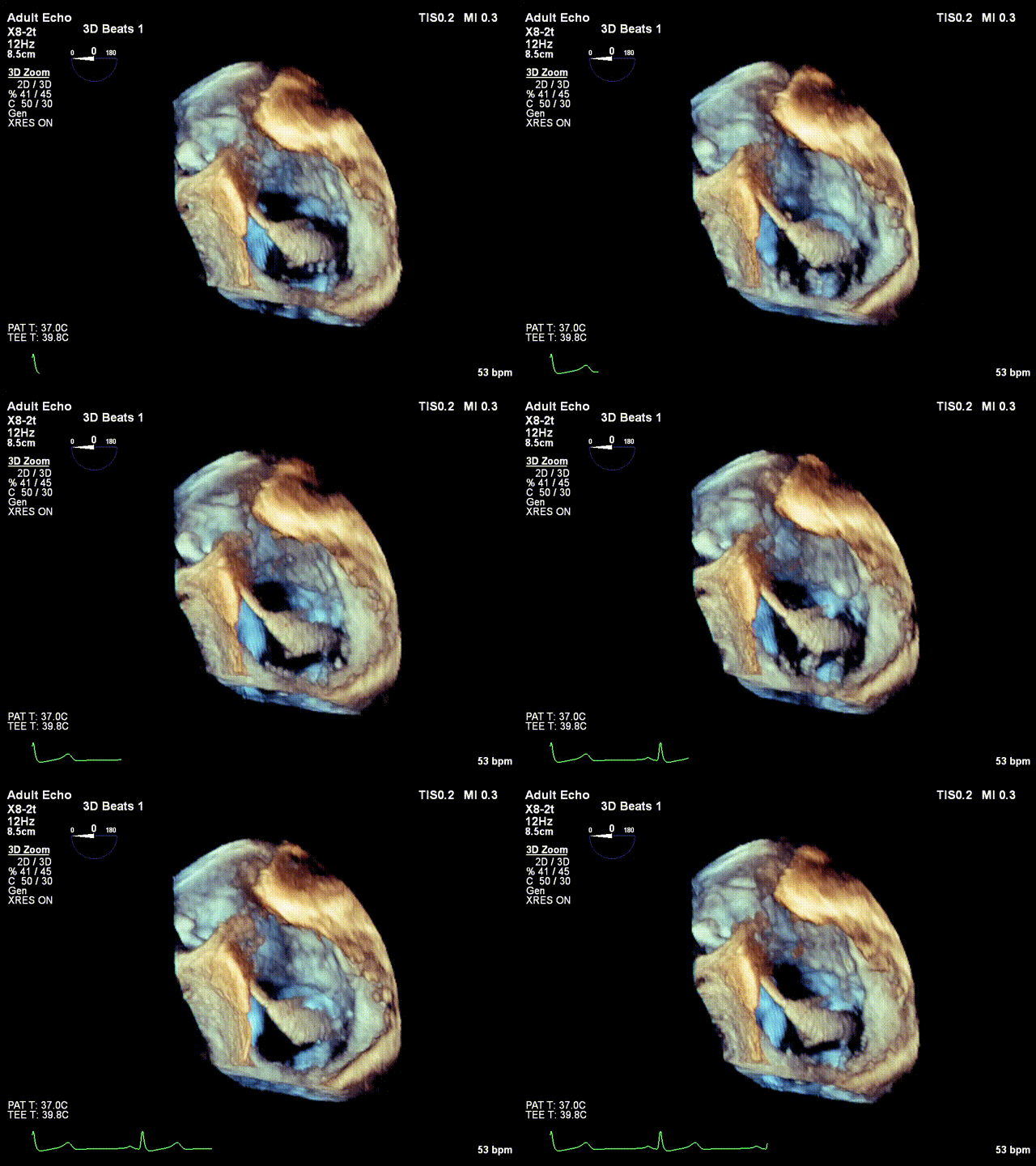
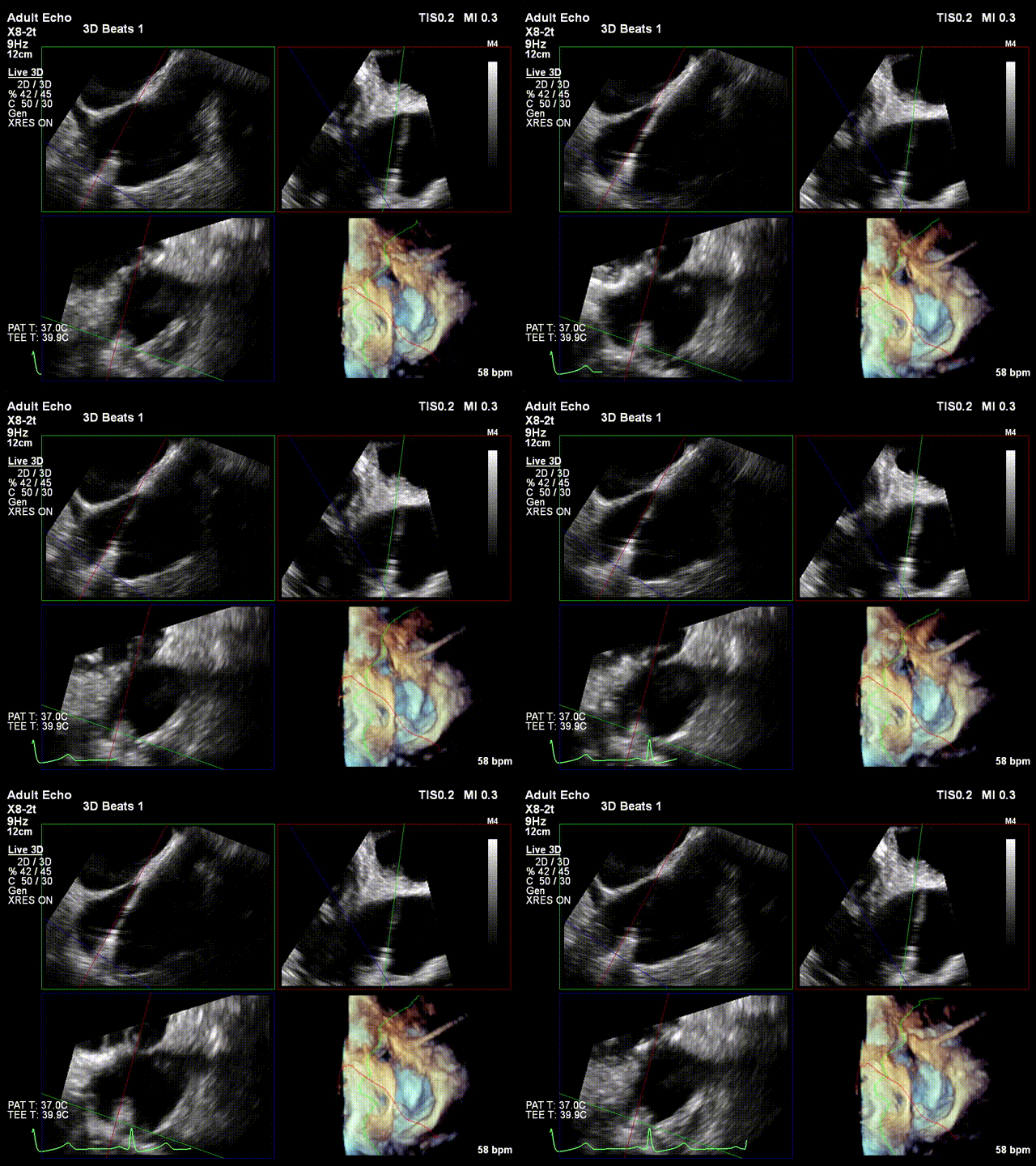
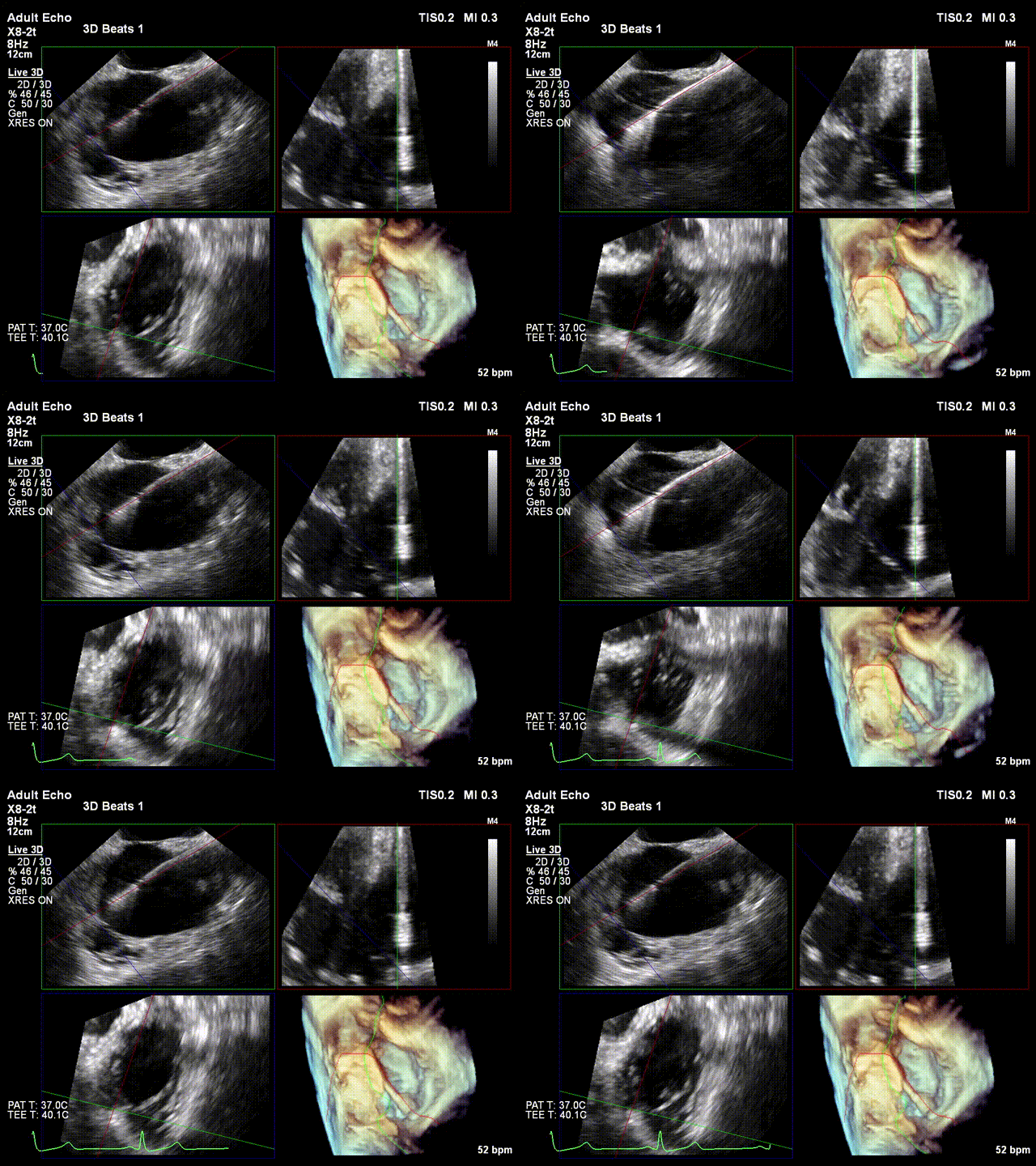
Implantation of the first clip at the posteroseptal annulus
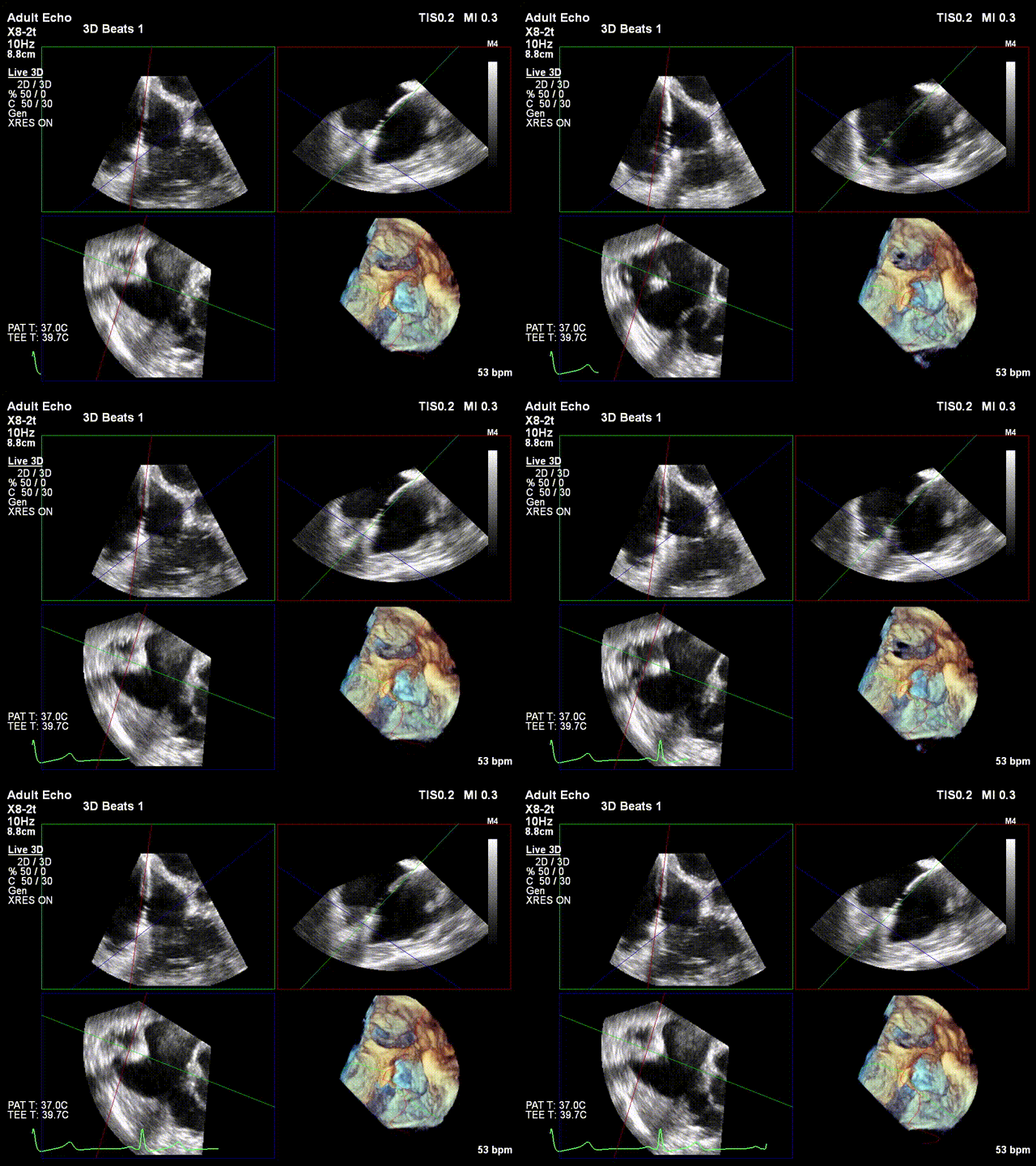
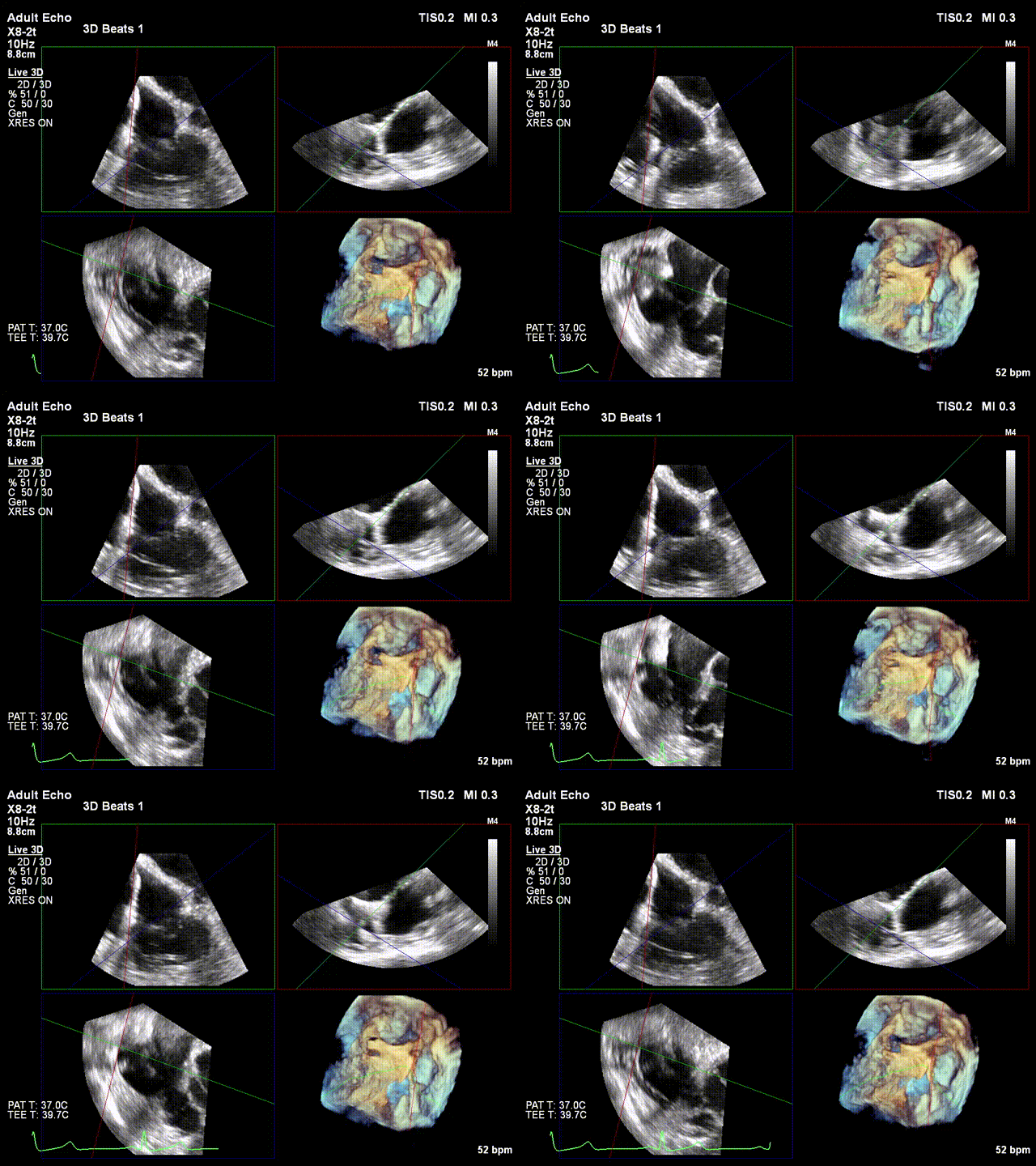
Implantation of the second clip at the anteroposterior annulus
术后
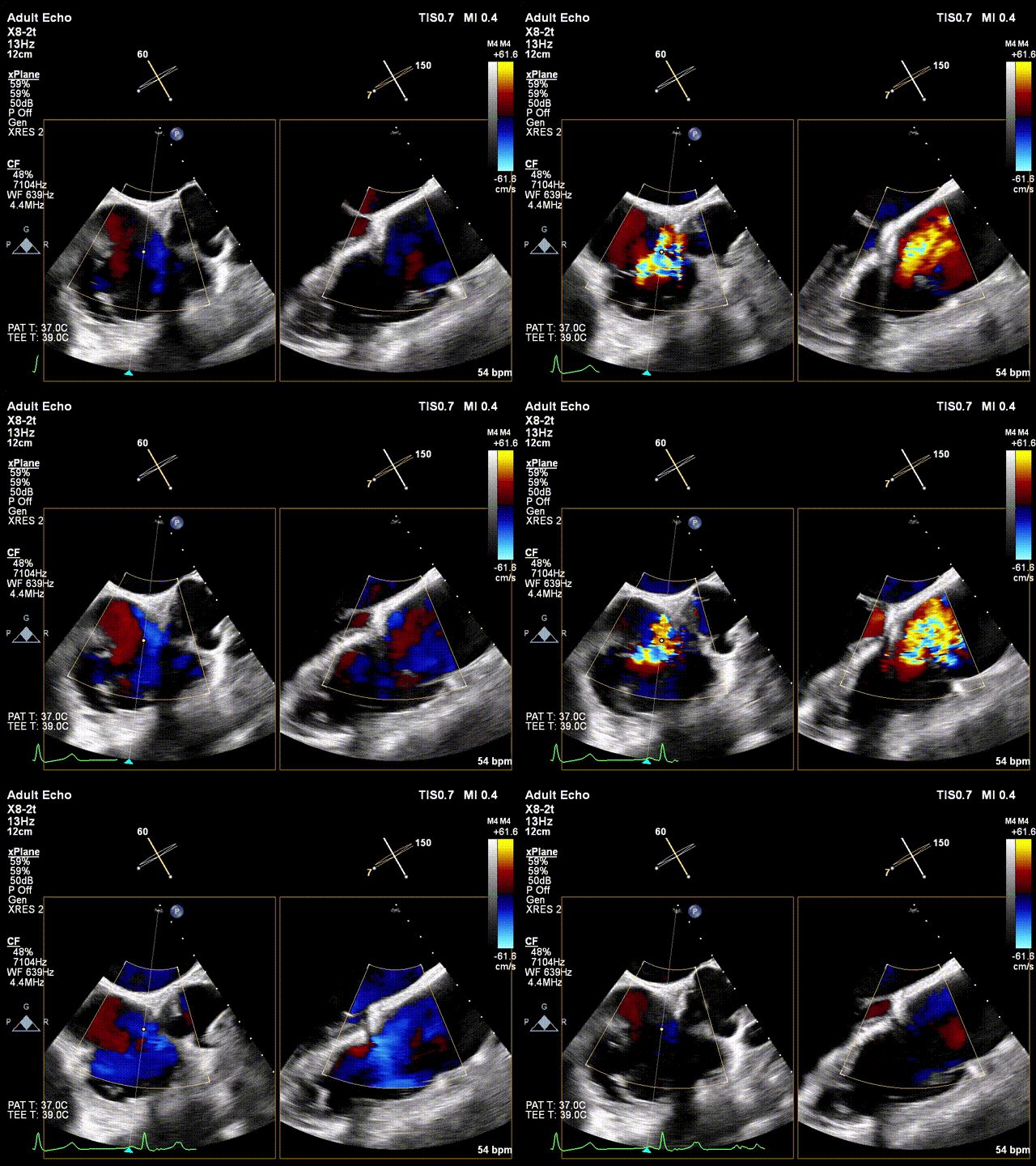
Preoperative regurgitation: grade 4+
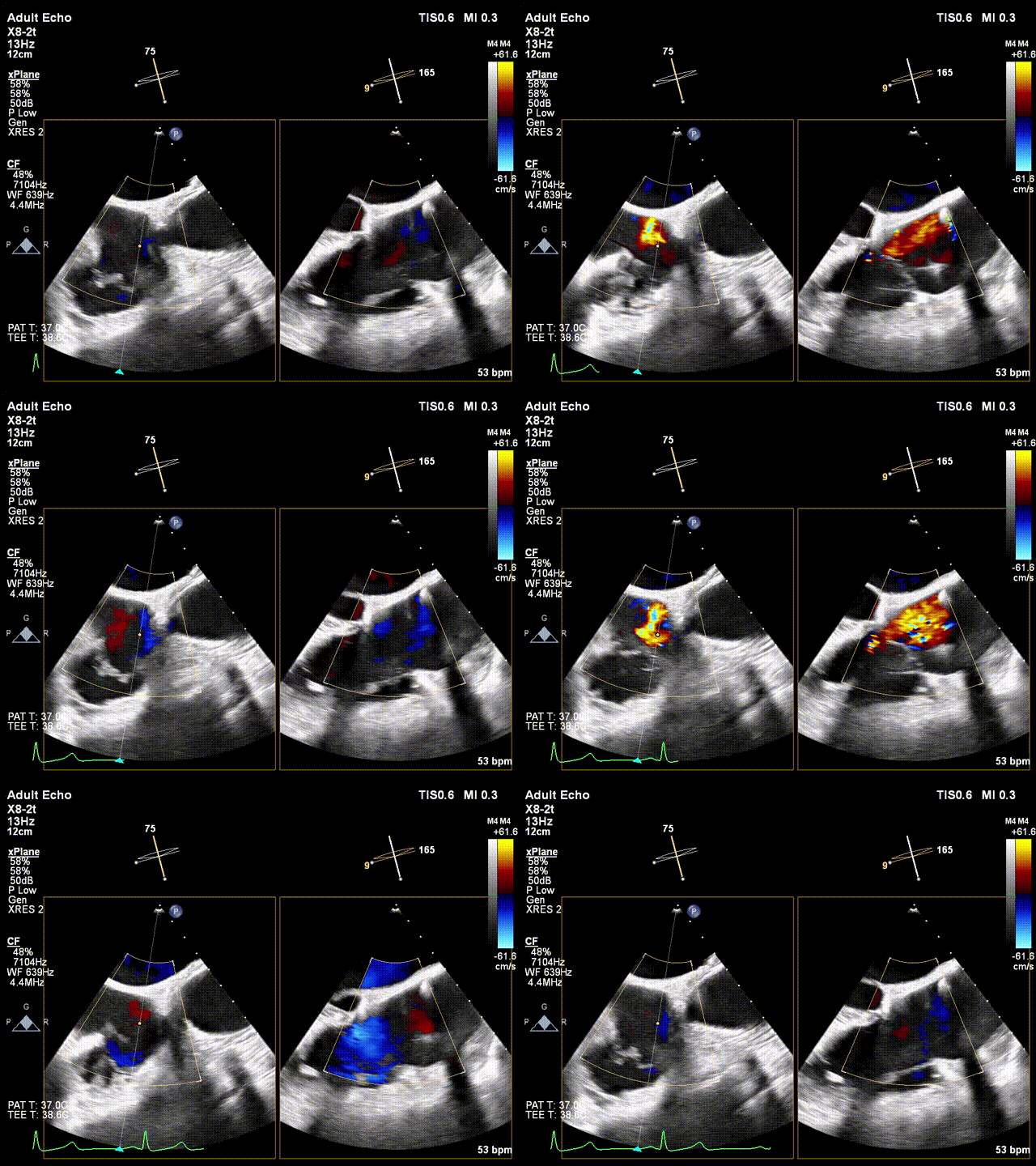
Postoperative regurgitation: grade 1+
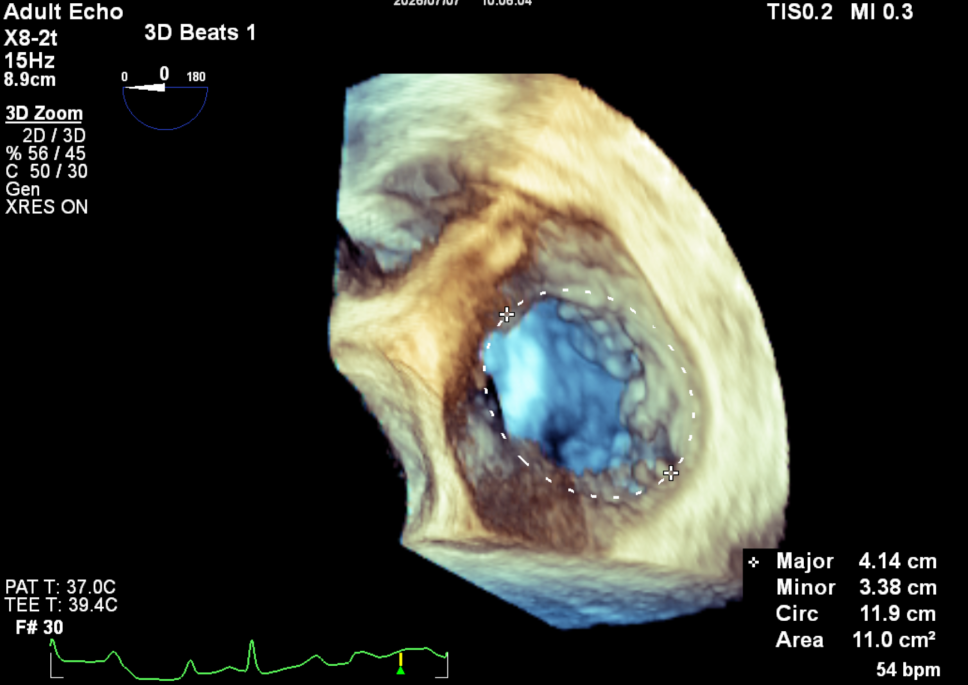
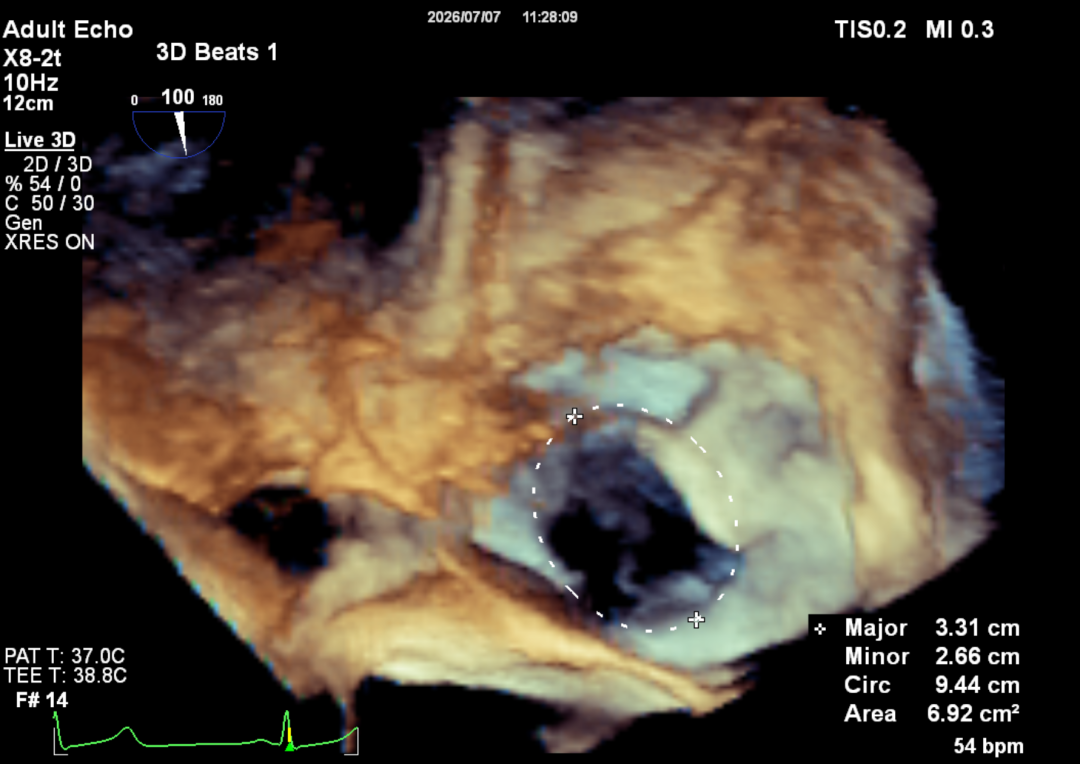
Valve orifice area decreased from 11 cm² to 6.9 cm²
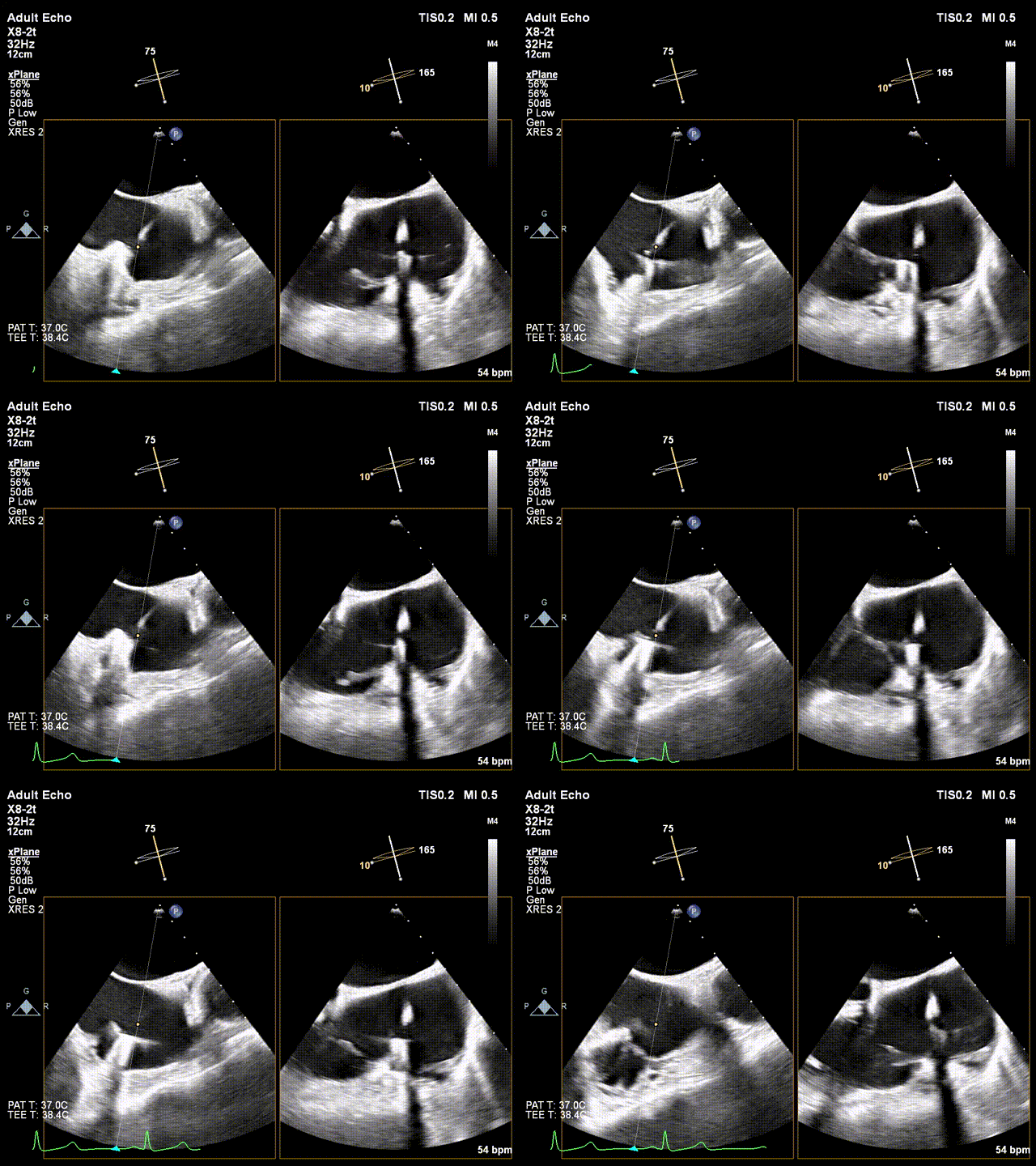
Reduced septal diameter with markedly improved leaflet coaptation
The procedure was uneventful, with successful implantation of the clipping devices and immediate annular remodeling.
The patient returned to the ward in stable condition with normal vital signs.
Postoperative Recovery | Marked Symptom Improvement Demonstrating Minimally Invasive Efficacy
The patient recovered rapidly after surgery, with significantly relieved exertional dyspnea, and was able to ambulate on the first postoperative day. Follow-up cardiac ultrasound confirmed effective control of tricuspid regurgitation and a marked reduction in right heart load.
This minimally invasive interventional procedure not only avoids the major trauma of repeat open-heart surgery, but also brings new hope to patients with severe tricuspid regurgitation and multiple comorbidities.
Expert Comments | Ushering in a New Era of Transcatheter Tricuspid Therapy
Professor Chen Lianglong stated: "Tricuspid regurgitation has long been called the 'forgotten valvular heart disease'. Many patients cannot tolerate conventional surgery due to long disease duration, multiple comorbidities and poor cardiac function. K-Clip transcatheter annular repair requires neither cardiac arrest nor open-chest surgery; annular reduction is achieved solely via vascular puncture. With minimal trauma and rapid recovery, it provides a practical and effective treatment option for patients who previously had no viable solutions."
Professor Fang Jun noted: "This patient had prior aortic aneurysm repair, which may have caused pericardial adhesions, making repeat surgical intervention extremely difficult and high-risk. We leveraged multimodal imaging to plan clipping positions, and the entire procedure was performed under combined ultrasound and fluoroscopy guidance for precise anchoring. The success of our hospital’s first K-Clip procedure reflects the team’s accumulated expertise in interventional treatment of complex structural heart disease, and would not have been possible without dedicated multidisciplinary collaboration."
Forging Ahead | Bringing Innovative Technologies to More Patients
Led by Director Chen Zhaoyang, Professor Chen Lianglong and Professor Fang Jun, the Structural Heart Disease Team of the Department of Cardiology at Union Hospital Affiliated to Fujian Medical University has long been dedicated to the interventional diagnosis and treatment of structural heart disease. From transcatheter aortic valve replacement (TAVR) and transcatheter edge-to-edge repair (TEER) for mitral valve disease, to the current transcatheter tricuspid annular repair (K-Clip), the team continues to push technological boundaries and deliver optimized, individualized minimally invasive solutions for high-risk valvular heart disease patients.
Moving forward, the team will continue to keep pace with international advances, promote the clinical translation of innovative technologies, and protect every beating heart with less trauma and better efficacy.
Expert Profiles

Chen Zhaoyang
Union Hospital Affiliated to Fujian Medical University

Chen Lianglong
Union Hospital Affiliated to Fujian Medical University

Fang Jun
Union Hospital Affiliated to Fujian Medical University

Sun Xudong
Union Hospital Affiliated to Fujian Medical University

K-Clip® Transcatheter Tricuspid Annuloplasty System:
1. Vascular puncture access with minimal trauma; delivery sheath outer diameter: 18 Fr
2. Straightforward operation performed entirely on the atrial side, with a short learning curve
3. All procedural steps are reversible prior to device release, ensuring controllable outcomes
4. Physiological annular reduction technology that preserves native valve leaflets


